Top Attractions
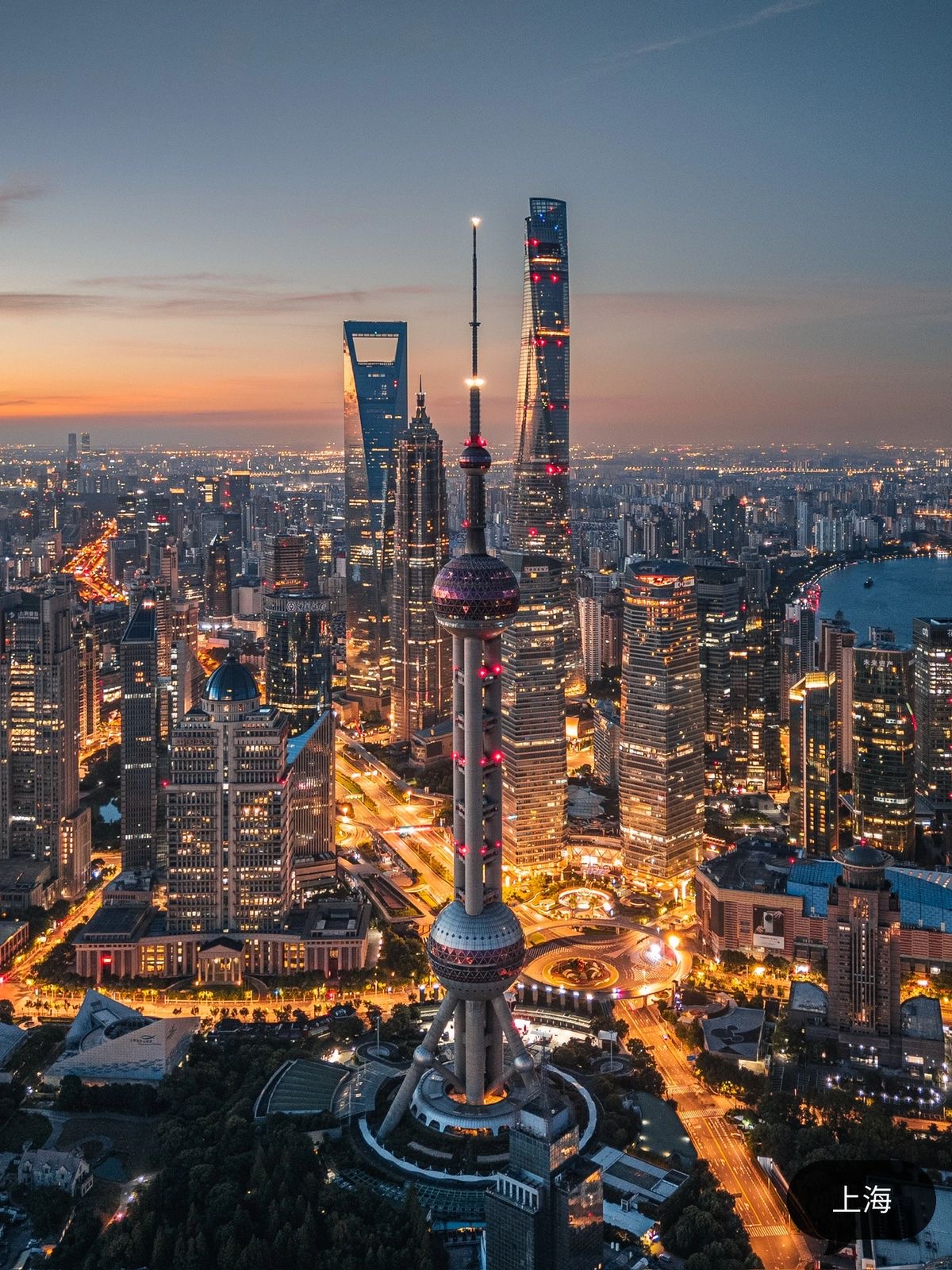
The Bund & Pudong Skyline
Colonial-era European architecture facing the ultra-modern Pudong skyline. A single vantage point spanning 150 years of China's transformation. The evening LED light show across the river is urban spectacle at its finest.
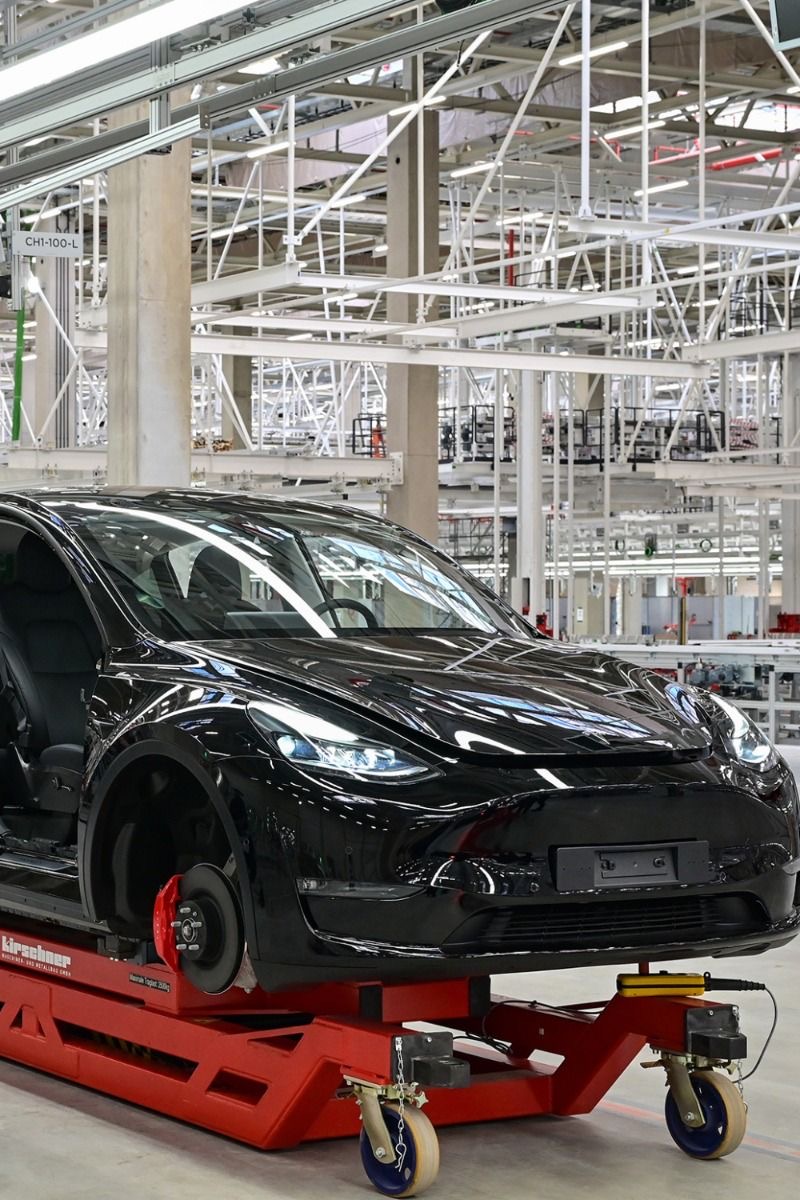
EV Revolution
Tesla, NIO, and BYD showroom tours and the Auto Museum. Compare China's EV industry with global competitors, explore supply chain economics, and see why Shanghai is the epicentre of the electric vehicle revolution.
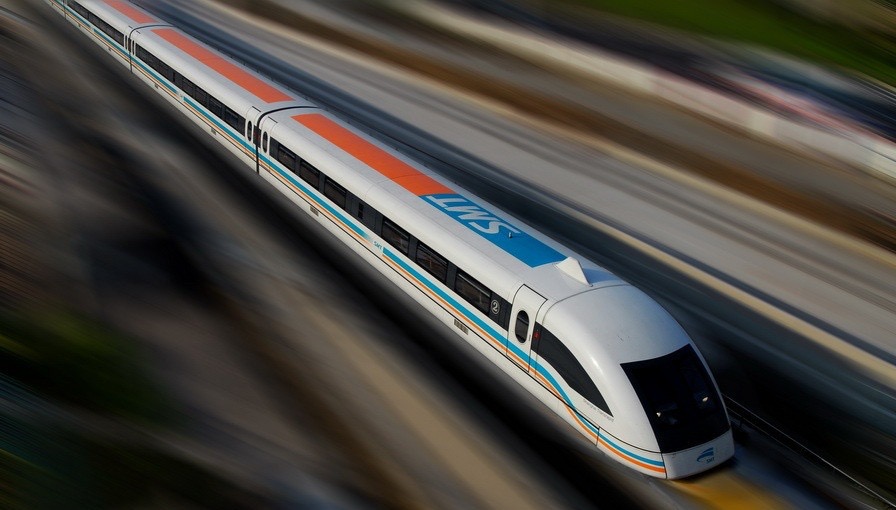
Maglev Train: 430 km/h
A physics lesson at speed. Electromagnetic propulsion, Lenz's Law, and China's transit infrastructure. Experienced at 430 km/h on the world's fastest commercial train. Airport to city in 7 minutes.
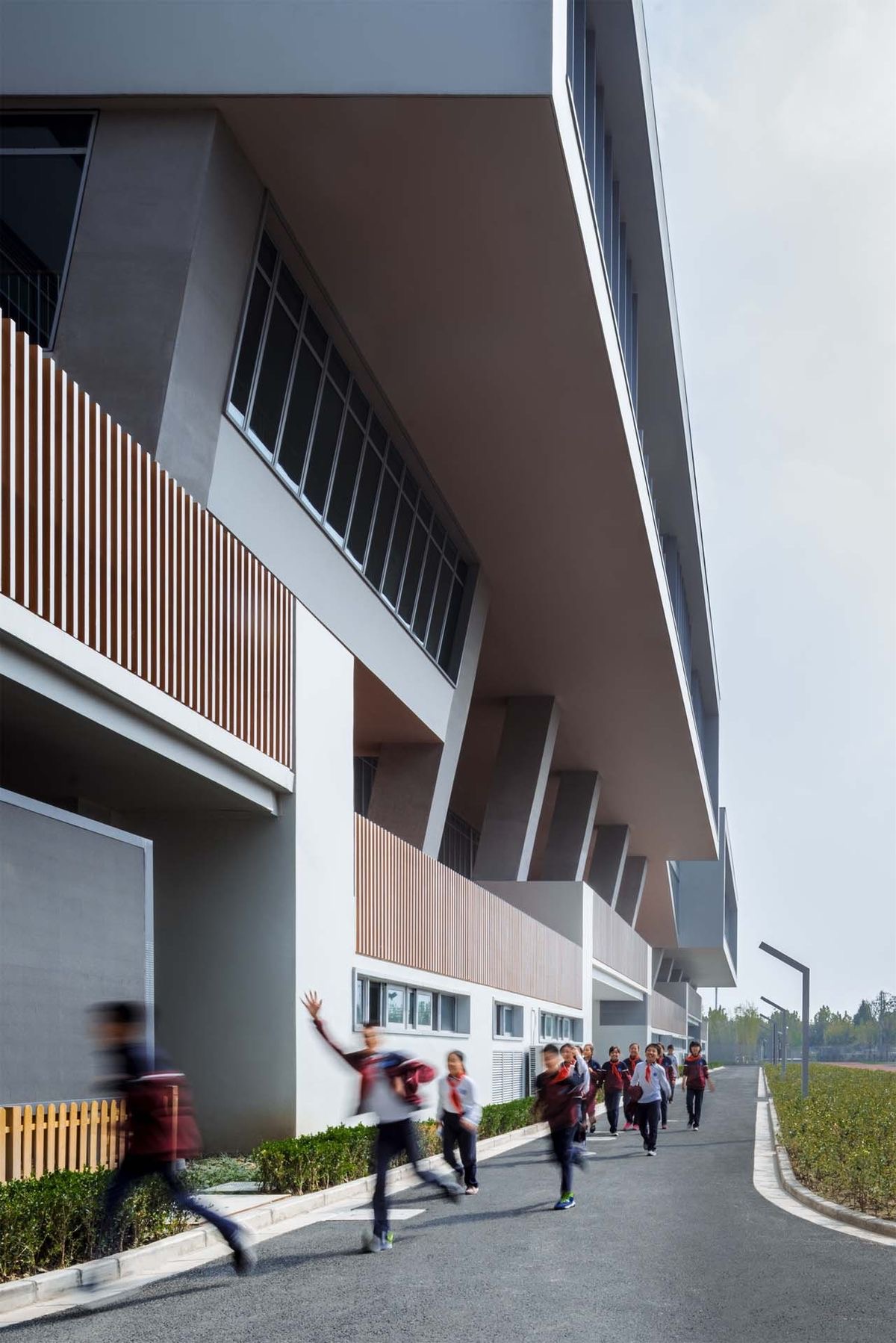
School Exchange
A structured exchange with a Shanghai secondary school. Peer dialogue on education systems, technology habits, career aspirations, and daily life. Often cited by students as the most memorable day of the entire trip.
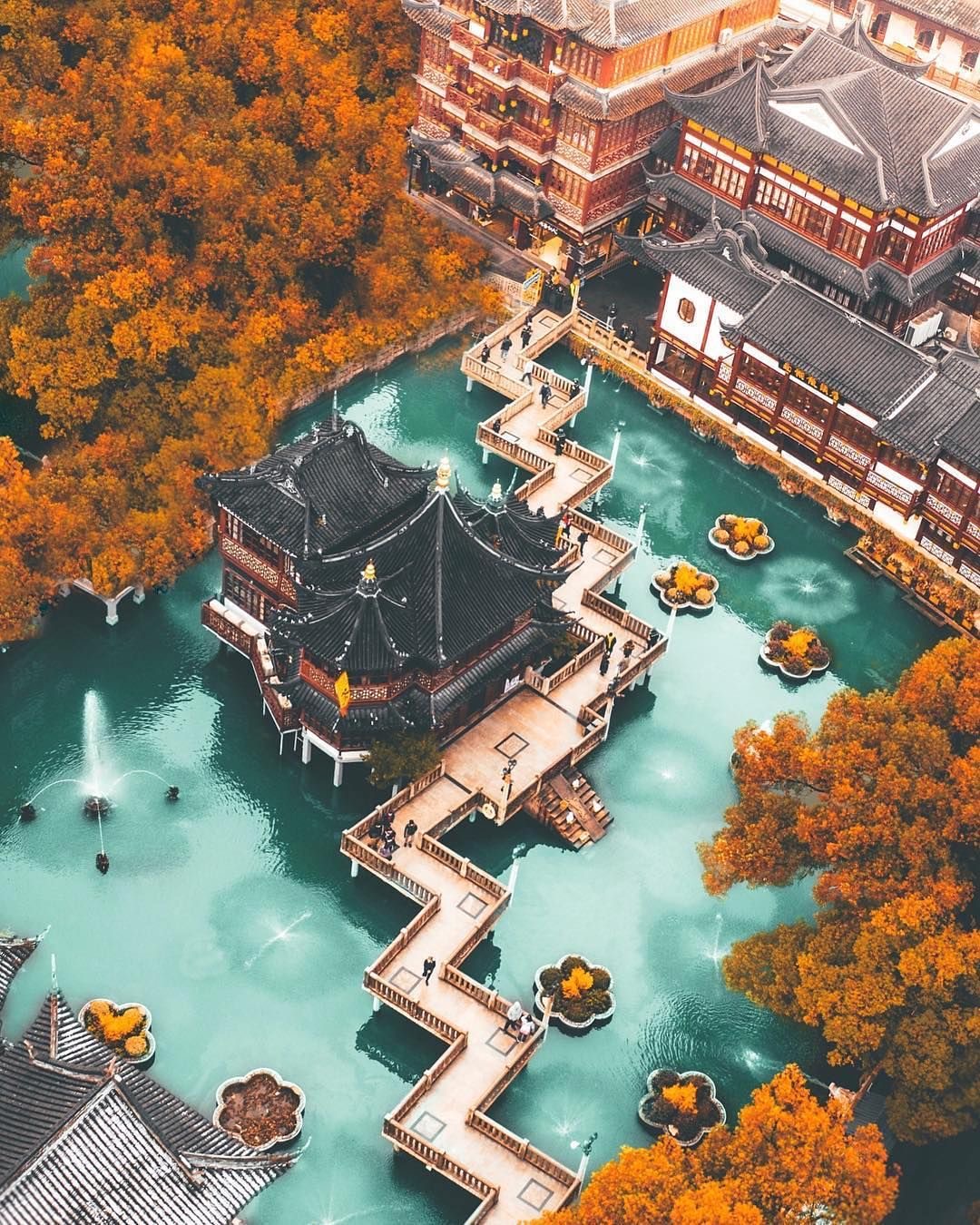
Yu Garden & Old Town
A classical Chinese garden from the Ming dynasty, tucked inside Shanghai's oldest neighbourhood. Rockeries, pavilions, and koi ponds surrounded by the Old Town bazaar. A pocket of calm in the middle of a megacity.
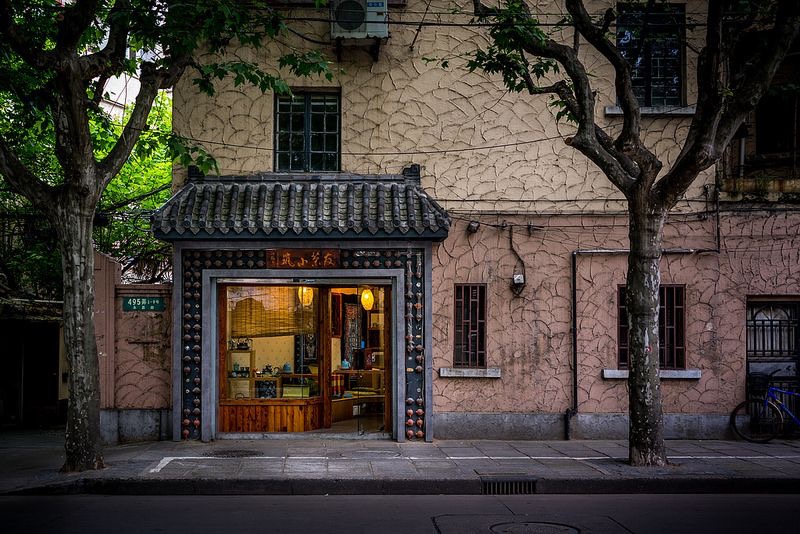
French Concession
A walking tour through Shanghai's colonial legacy. Tree-lined boulevards, art deco architecture, and the creative quarter where independent cafes and galleries occupy century-old lane houses.