Village homestays, rice planting, and 700 years of terraced landscape.
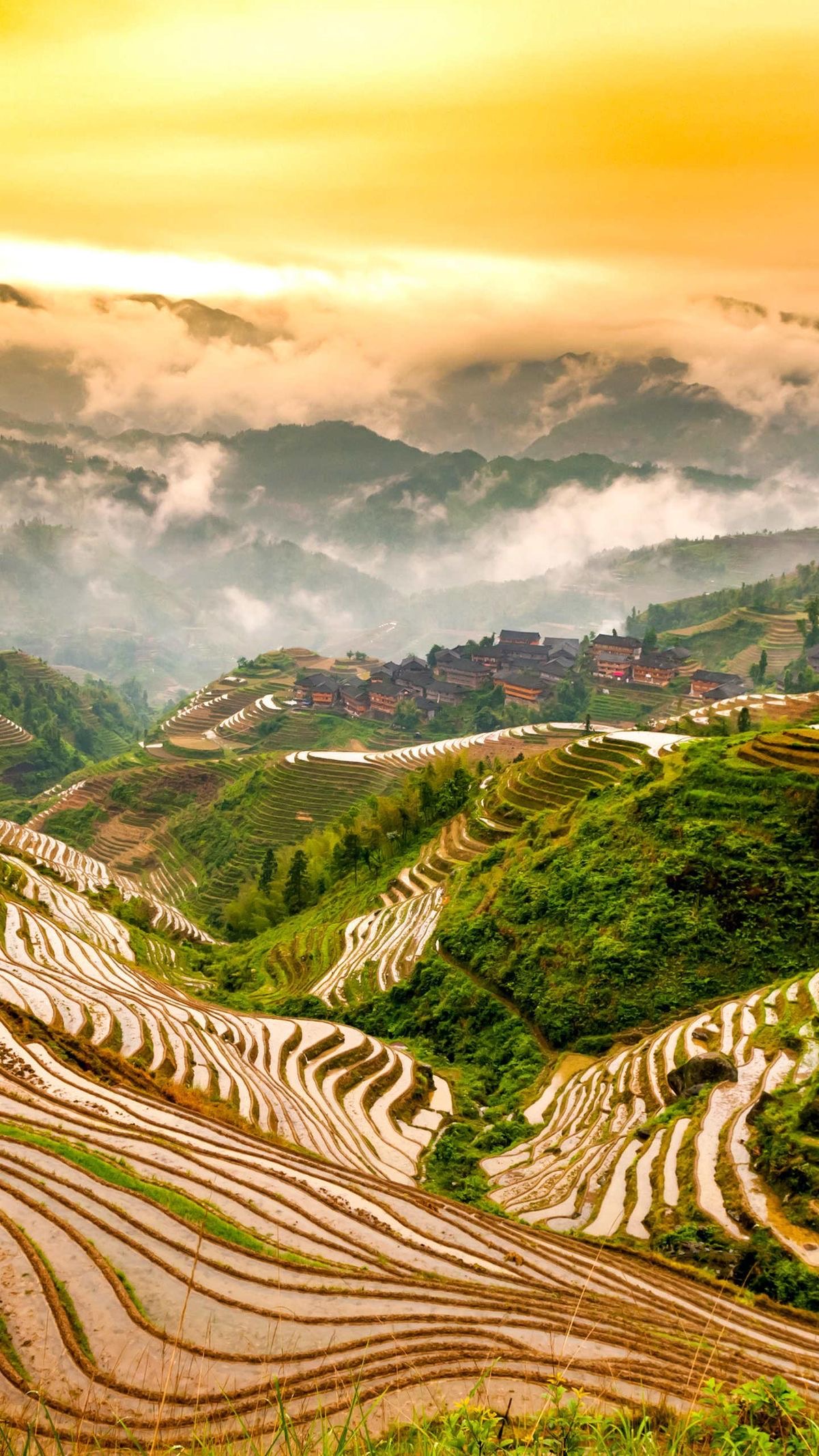
The Longji Rice Terraces climb the hillsides of northern Guangxi in carved steps that stretch from river valley to cloud line. Built by Zhuang and Yao communities over 700 years ago, they are still farmed by hand, still fed by the same gravity-driven irrigation channels, and still shaped by the seasons.
For students, Longji is the most immersive stop on the programme. There are no museums or visitor centres. You stay in a village homestay, eat with a local family, and wake up to terraces that change colour with the light. If you visit during planting season, you stand in the paddies and plant rice alongside the farmers who have done it their whole lives. It is the opposite of a screen.
Ecosystem workshop on altitude, microclimate, and sustainable agriculture. Hands-on rice planting with local Zhuang farmers. Overnight village homestay with family meals and community life.
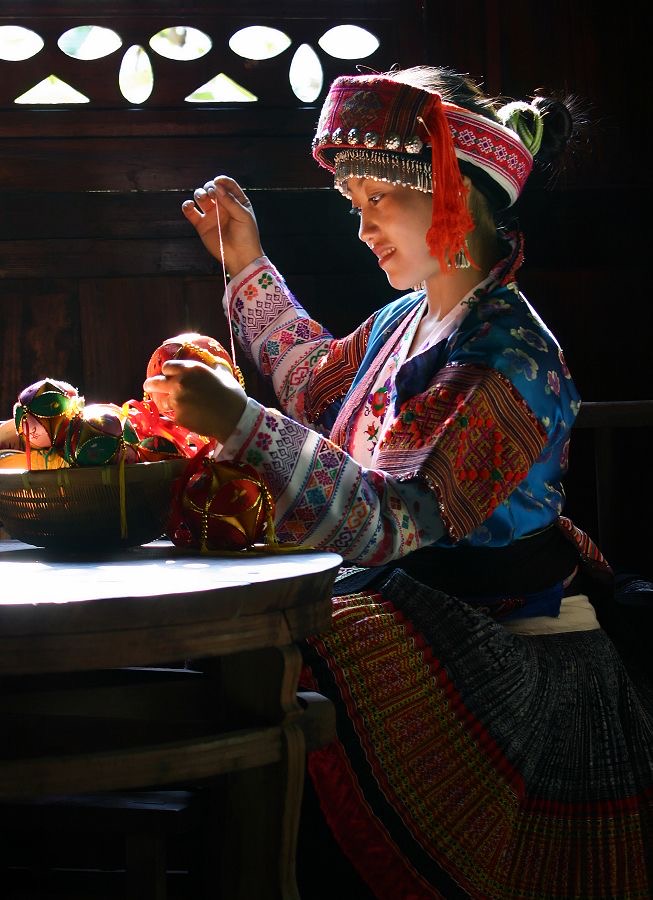
Batik dyeing and bamboo weaving workshops with village artisans. The Yao women of Huangluo are famous for their floor-length hair. Evening meals are shared with the host family.
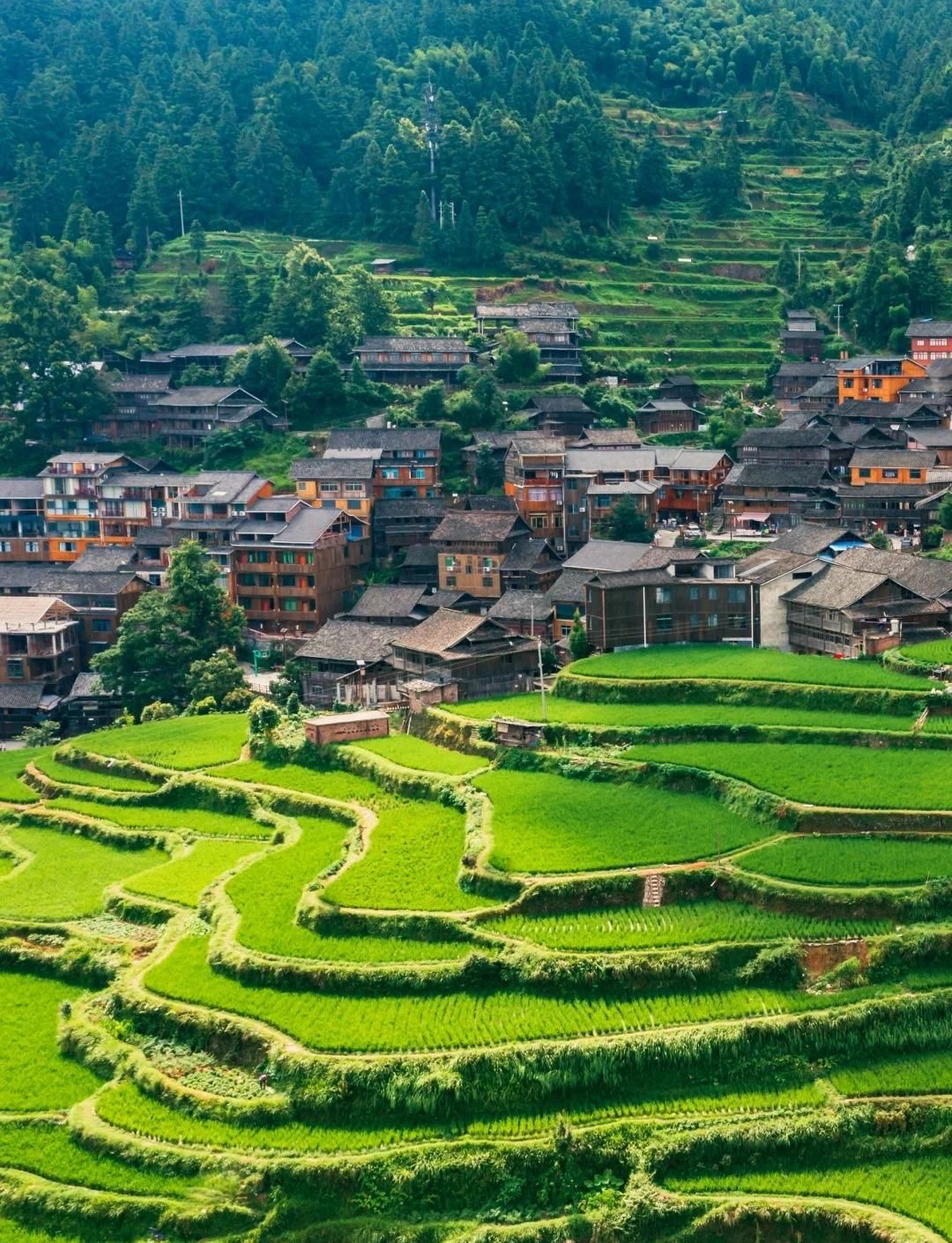
Two Zhuang communities connected by a hiking trail through the terraces. Wooden stilt houses, winding stone paths, and viewpoints that reveal the full scale of the landscape. Dazhai's "Golden Buddha Peak" is the most famous panorama.
April to June for flooded terraces and rice planting. September to October for the golden harvest. Winter brings frost and snow on the peaks.
Longji is about 2 hours by road from Guilin. The final stretch is winding mountain road. Luggage is carried up to the village by porters or cable car.
Village homestays, not hotels. Rooms are clean and simple. Hot water and WiFi are available, but the experience is deliberately low-tech. That is the point.
Longji features in our Nature & Landscapes programme. Chengdu → Guilin → Longji → Zhangjiajie.